

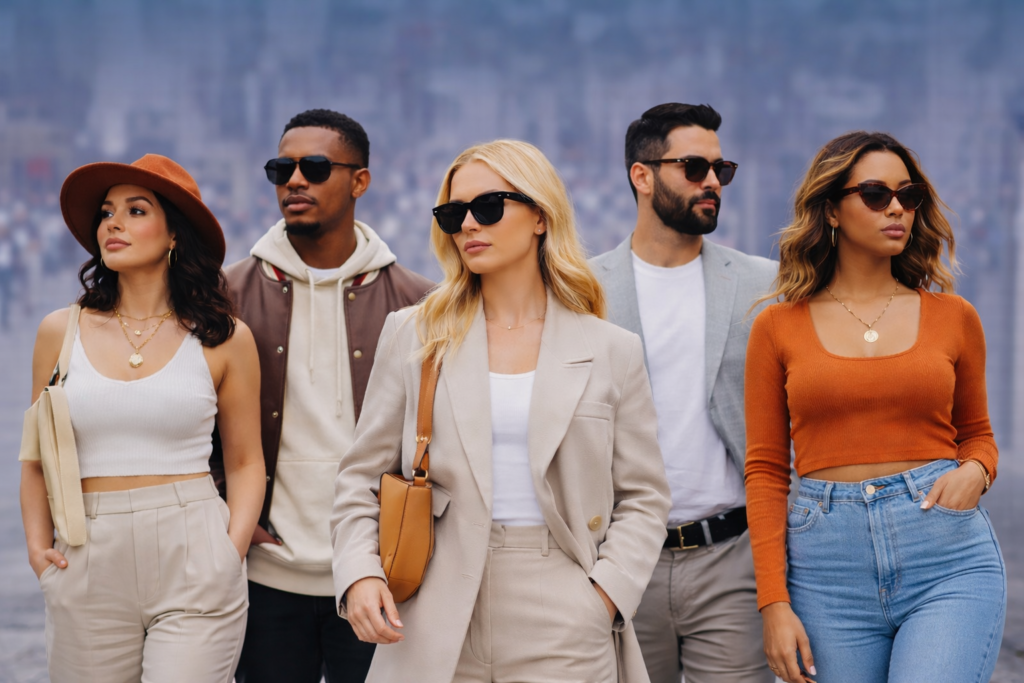
Introduction to Amazing Fashion Styles
Amazing Fashion Styles plays an important role in how people express their personality and identity. The clothes we wear often reflect our lifestyle, preferences, and creativity. Over time, different fashion styles have developed to represent unique ways of dressing and presenting oneself.
Fashion styles are not only about clothing; they also include accessories, colors, fabrics, and overall appearance. People choose different fashion styles depending on their mood, culture, profession, and personal taste.
In today’s modern world, fashion has become more diverse than ever before. Social media, fashion influencers, and global fashion brands constantly introduce new trends and outfit inspirations. As a result, people now have access to countless fashion styles that allow them to experiment with their wardrobe.
Understanding different fashion styles can help individuals develop their own unique look. Instead of following trends blindly, people can choose clothing that suits their personality and body type.
For example, some individuals prefer casual and comfortable outfits, while others enjoy elegant and sophisticated fashion. Some fashion enthusiasts love bold streetwear looks, while others prefer simple minimalist clothing.
Because of this diversity, fashion styles continue to evolve and adapt to changing trends.
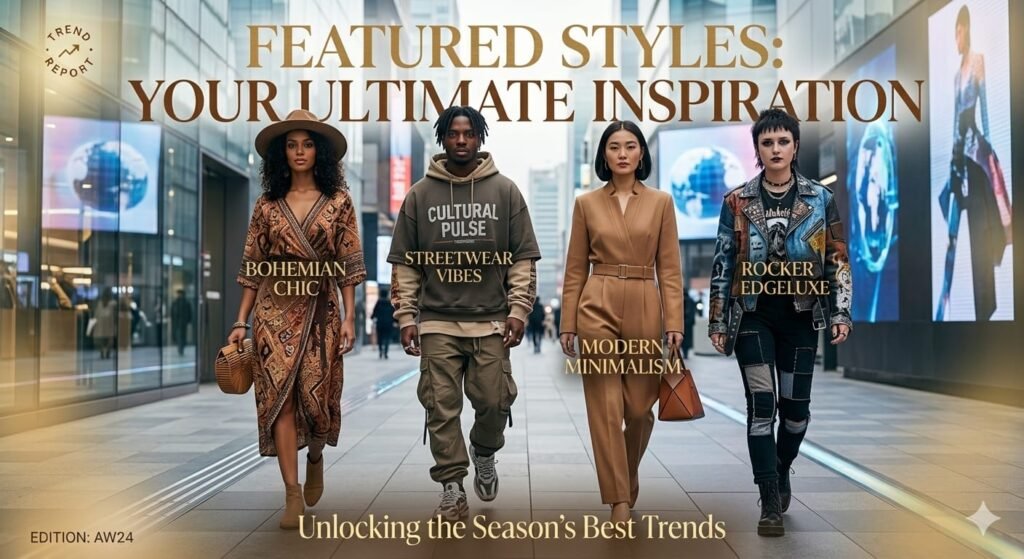
Table of Contents
1. What Are Best Fashion Styles?
Best Fashion styles refer to distinctive ways of dressing that reflect a particular aesthetic or cultural influence. A style can be defined by specific clothing pieces, colors, patterns, or design elements.
For example, a minimalist style focuses on simple clothing with neutral colors, while a streetwear style emphasizes oversized clothing and urban fashion influences.
Best Fashion styles help people communicate their personality without saying a word. Clothing choices often send signals about someone’s profession, interests, and lifestyle.
Different factors influence fashion styles, including:
- Cultural background
- Social trends
- Celebrity influence
- Climate and environment
- Personal preferences
Because of these influences, fashion styles are constantly evolving.
2. An Amazing Guide to Fashion Styles:
Fashion styles play a significant role in modern society. They allow individuals to express creativity and confidence while also reflecting cultural and social identities.
Personal Expression
One of the most important aspects of fashion styles is personal expression. Clothing choices allow people to showcase their individuality and creativity.
For example, someone who enjoys vibrant colors and bold patterns may choose expressive fashion styles that stand out. On the other hand, individuals who prefer simplicity may select neutral tones and minimal designs.
Confidence and Self-Image
The way people dress can influence their confidence. Wearing clothing that matches personal style preferences often helps individuals feel comfortable and confident.
Fashion styles that align with a person’s personality can improve self-image and create a positive impression.
Cultural Identity
Fashion styles also reflect cultural traditions and heritage. Traditional garments and modern adaptations often represent the history and identity of different communities.
For example, many cultural festivals feature unique clothing styles that celebrate local heritage.
Professional Appearance
Fashion styles also play an important role in professional environments. Business attire, business casual outfits, and formal clothing styles help maintain a professional appearance.
These styles help individuals create a strong first impression in workplaces and professional settings.
3.Amazing Types of Fashion Styles
There are many different fashion styles around the world. Each style has its own characteristics, clothing pieces, and aesthetic.
Some of the most popular fashion styles include:
- Casual style
- Streetwear style
- Minimalist style
- Vintage style
- Bohemian style
- Classic style
- Sporty style
- Luxury style
Each of these styles represents a unique way of dressing and can be adapted to suit personal preferences.
4. Casual Fashion Style
Casual fashion is one of the most widely used fashion styles. It focuses on comfort, practicality, and relaxed clothing.
Casual outfits are ideal for everyday activities such as shopping, traveling, or spending time with friends.
Common clothing pieces in casual fashion include:
- T-shirts
- Jeans
- Hoodies
- Sneakers
- Casual shirts
Casual fashion styles often use comfortable fabrics such as cotton and denim. These materials provide flexibility and ease of movement.
One of the advantages of casual fashion is its versatility. Casual outfits can easily be mixed and matched to create different looks.
For example, a simple white t-shirt can be paired with jeans for a relaxed outfit or combined with a jacket for a slightly more polished appearance.
Because of its simplicity and comfort, casual fashion remains one of the most popular fashion styles worldwide.
5. Streetwear Fashion Style
Streetwear is a modern fashion style inspired by urban culture, music, and youth trends. It originated in cities where skateboarders, artists, and musicians developed their own unique clothing aesthetics.
Streetwear fashion styles often include bold graphics, oversized clothing, and distinctive accessories.
Common streetwear items include:
- Graphic hoodies
- Oversized t-shirts
- Cargo pants
- Sneakers
- Caps
Streetwear fashion has become extremely popular due to the influence of social media and celebrities.
Many global fashion brands now incorporate streetwear elements into their collections.
Streetwear fashion styles are particularly popular among younger generations who enjoy expressive and trendy outfits.
6. Minimalist Fashion Style
Minimalist fashion focuses on simplicity and elegance. This style avoids excessive patterns and bright colors, instead emphasizing clean lines and neutral tones.
Common colors in minimalist fashion include:
- Black
- White
- Beige
- Gray
Minimalist fashion styles often include basic clothing pieces that can be easily combined to create multiple outfits.
Examples include:
- Plain shirts
- Simple dresses
- Straight-cut trousers
- Classic coats
Minimalist fashion is popular among individuals who prefer timeless clothing rather than rapidly changing trends.
7. Vintage Fashion Style
Vintage fashion styles are inspired by clothing designs from previous decades. These styles often include classic garments that reflect the fashion trends of earlier eras.
Vintage clothing may feature:
- Retro dresses
- High-waisted jeans
- Polka-dot patterns
- Classic jackets
Vintage fashion styles are popular among individuals who appreciate timeless elegance and nostalgic fashion aesthetics.
8. Bohemian Fashion Style
Bohemian fashion styles are inspired by artistic and free-spirited lifestyles. These styles often include flowing fabrics, natural colors, and handcrafted accessories.
Common bohemian clothing items include:
- Maxi dresses
- Loose skirts
- Embroidered tops
- Sandals
Bohemian fashion styles emphasize comfort and individuality.
9. Classic Fashion Style
Classic dressing is one of the most timeless approaches to clothing. This approach focuses on elegant, well-structured garments that never go out of trend. Instead of following rapidly changing fashion trends, people who prefer a classic look choose clothing pieces that remain stylish for many years.
Typical elements of a classic wardrobe include tailored blazers, straight-cut trousers, pencil skirts, and well-fitted shirts. Neutral shades such as black, white, navy, beige, and gray are commonly used because they easily match with other garments.
One of the key advantages of classic dressing is versatility. A single piece can be worn in multiple situations. For example, a simple black blazer can be paired with formal trousers for work or combined with denim for a relaxed outing.
Another important feature of this approach is quality. People who prefer this look usually focus on well-made garments that last longer. Instead of buying many trendy items, they invest in durable clothing made from high-quality fabrics such as cotton, wool, or linen.
Classic dressing is popular among professionals because it creates a polished and confident appearance. However, it is also suitable for everyday life since the garments are comfortable and easy to style.
10. Sporty Fashion Style
Sport-inspired clothing has become extremely popular in recent years. This approach combines comfort, movement, and casual aesthetics, making it ideal for active lifestyles.
Athletic clothing items are designed using breathable fabrics that allow flexibility and comfort. These garments were originally created for physical activities, but they are now widely worn in daily life as well.
Common pieces associated with this look include joggers, hoodies, sports jackets, leggings, and training shoes. These garments provide both functionality and modern appeal.
One reason this trend has grown significantly is the increasing focus on health and fitness. Many individuals now prefer clothing that allows them to move easily throughout the day.
Athletic-inspired outfits are also versatile. A pair of joggers can be worn at the gym, while traveling, or even during casual outings when paired with a stylish top.
Because of its comfort and practicality, sporty clothing has become a staple in modern wardrobes.
11. Luxury Fashion Style
Luxury clothing focuses on premium materials, exceptional craftsmanship, and elegant design. These garments are often produced in limited quantities and reflect high levels of creativity and artistry.
People who prefer luxury fashion usually appreciate fine details, high-quality fabrics, and sophisticated silhouettes. Materials such as silk, cashmere, and high-grade wool are commonly used to create these garments.
Luxury pieces are often associated with exclusivity. Because they are carefully designed and produced with superior materials, they typically come with higher price points.
However, the appeal of luxury clothing goes beyond status. Many individuals choose these garments because they offer durability, comfort, and timeless elegance.
Luxury outfits are often worn during special occasions such as formal events, weddings, and high-profile gatherings. Nevertheless, some people incorporate premium pieces into their everyday wardrobe to elevate their overall appearance.
12. Sustainable Fashion Style
Environmental awareness has influenced the clothing industry in many ways. Sustainable clothing focuses on reducing environmental impact while promoting ethical manufacturing practices.
Garments produced under sustainable principles are often made using organic fabrics, recycled materials, and environmentally friendly production processes.
Another important aspect of sustainability is durability. Instead of purchasing disposable clothing items that wear out quickly, consumers are encouraged to invest in long-lasting garments.
This approach also promotes responsible consumption. Many people are now choosing quality over quantity and building smaller but more versatile wardrobes.
Sustainable fashion has gained popularity as consumers become more conscious about the environmental impact of the clothing industry.
Brands that follow ethical practices often focus on fair wages, safe working conditions, and transparent production methods.
As awareness continues to grow, environmentally friendly clothing is expected to play a larger role in the future of the industry.
13. Fashion Styles for Women
Women’s clothing offers an incredible variety of design possibilities. Different styles allow women to experiment with colors, patterns, and silhouettes to create unique looks.
Some popular categories include casual wear, formal outfits, evening dresses, and seasonal clothing. Each category serves a different purpose and helps women dress appropriately for various occasions.
Casual clothing often includes comfortable items such as t-shirts, denim, skirts, and light dresses. These outfits are perfect for daily activities like shopping, traveling, or meeting friends.
Formal outfits are typically worn in professional environments or important events. These may include blazers, tailored pants, elegant dresses, and structured tops.
Evening and party outfits often feature bold designs, decorative elements, and luxurious fabrics. These garments help create striking looks during celebrations and special occasions.
Seasonal collections also play an important role in women’s wardrobes. Lightweight fabrics are commonly used during summer, while winter collections include sweaters, coats, and layered garments.
Because women’s fashion evolves constantly, many individuals enjoy experimenting with different looks to discover what suits their personality best.
14. Fashion Styles for Men
Men’s clothing has evolved significantly over the years. Modern wardrobes offer a variety of options that combine comfort, practicality, and style.
Casual outfits are widely worn in everyday situations. These usually include items such as denim jeans, polo shirts, relaxed trousers, and comfortable footwear.
Formal clothing is often worn in professional environments. Tailored suits, structured blazers, and crisp shirts help create a confident and polished appearance.
Another growing trend in men’s clothing is the rise of relaxed and modern silhouettes. Many individuals now prefer slightly looser fits that provide comfort while still looking stylish.
Seasonal clothing also plays a role in men’s wardrobes. Lightweight fabrics are commonly worn in warm weather, while colder months require layered outfits such as sweaters, jackets, and coats.
Men’s fashion is increasingly becoming more versatile, allowing individuals to combine traditional elements with modern trends.
15. Fashion Styles for Teenagers
Teenagers often experiment with clothing as they discover their identity and personal preferences. Youth-oriented clothing trends are typically influenced by social media, music, and pop culture.
Young individuals often prefer expressive garments that reflect creativity and individuality. Bright colors, graphic prints, and unique accessories are commonly seen in youth fashion.
Comfort is also an important factor. Teenagers frequently choose relaxed outfits such as oversized t-shirts, hoodies, sneakers, and casual pants.
Because trends change rapidly within youth culture, clothing choices among teenagers often evolve quickly. Many young people enjoy mixing different elements to create unique looks.
Fashion also serves as a form of self-expression for teenagers. Through clothing, they can communicate their interests, creativity, and personal identity.
16. Best Fashion Styles for Different Seasons
Seasonal changes influence the way people dress. Climate and weather conditions play a major role in determining which garments are comfortable and practical.
During summer months, lightweight fabrics are preferred because they help keep the body cool. Cotton shirts, breathable dresses, and loose-fitting clothing are commonly worn.
Autumn often introduces layered outfits. Light jackets, cardigans, and scarves become popular as temperatures begin to drop.
Winter clothing focuses on warmth and protection. Heavy coats, sweaters, boots, and thermal layers help maintain comfort during cold weather.
Spring fashion typically includes bright colors and lighter fabrics as temperatures begin to rise again.
Adapting clothing choices according to the season ensures both comfort and style throughout the year.
Below are the final three sections for your SEO blog article on “fashion styles.” The content is written in a human-friendly tone and suitable for publishing on your website.
Digital Influence The Ultimate Guide to Fashion Styles
Technology has transformed the way people discover, explore, and follow fashion trends. In today’s digital world, online platforms play a major role in shaping how individuals choose their outfits and develop their personal style. Social media platforms, fashion websites, and digital marketplaces have created new opportunities for people to stay updated with the latest fashion styles from around the world.
Social media has become one of the most powerful influences on modern fashion. Platforms such as Instagram, Pinterest, and TikTok allow fashion influencers, designers, and brands to showcase their collections to a global audience. Through photos, videos, and styling tutorials, users can easily discover new clothing ideas and outfit inspirations.
Another important factor is the rise of fashion influencers. These individuals share their daily outfits, styling tips, and product recommendations with followers. Many people rely on these influencers to learn about current fashion trends and creative ways to combine different clothing pieces. This has made fashion more accessible and interactive than ever before.
Online shopping platforms have also played a significant role in shaping fashion choices. E-commerce websites allow customers to browse thousands of clothing items, compare prices, and read customer reviews before making a purchase. This convenience has changed the way people shop for clothes and explore new fashion styles.
Digital tools such as virtual fitting rooms and augmented reality technology are also becoming more popular. These innovations allow shoppers to visualize how certain clothing items might look on them without physically trying them on. This improves the online shopping experience and helps customers make more confident purchasing decisions.
Fashion brands are also using data and artificial intelligence to understand consumer preferences. By analyzing customer behavior and purchase patterns, brands can design clothing collections that better match current trends and customer needs.
Overall, the digital world has made fashion more dynamic, interactive, and accessible. People can now discover inspiration from anywhere in the world and experiment with different styles more easily than ever before.
Future Fashion Innovations
The fashion industry continues to evolve as technology and creativity push the boundaries of design and production. In the future, several innovations are expected to reshape how clothing is created, marketed, and worn.
One of the most important developments is sustainable fashion technology. Many designers and brands are focusing on eco-friendly production methods to reduce environmental impact. New fabric technologies are being developed using recycled materials, biodegradable fibers, and plant-based textiles.
Another exciting innovation is smart clothing. These garments integrate technology directly into the fabric. For example, smart jackets may include temperature regulation systems, while fitness clothing may monitor body movement and health data. These innovations combine fashion with functionality.
3D printing is also gaining attention in the fashion industry. Designers can now experiment with unique shapes and structures that were previously impossible to produce using traditional manufacturing techniques. This technology may allow more personalized clothing designs in the future.
Virtual fashion is another emerging concept. Digital clothing can be designed and worn in virtual environments, such as social media platforms, gaming spaces, and digital events. This trend is especially popular in the growing world of the metaverse and digital identity.
Artificial intelligence is also transforming fashion design. AI tools can analyze global trends, predict consumer preferences, and assist designers in creating innovative collections. This technology helps brands respond quickly to changing market demands.
Customization is expected to become more common in the future as well. Many brands are exploring ways to allow customers to personalize clothing based on their measurements, preferred colors, and design choices.
These innovations show that the future of fashion will combine creativity, sustainability, and advanced technology to create a more personalized and environmentally responsible industry fashion styles.
Conclusion
Fashion is an ever-evolving form of self-expression that reflects culture, creativity, and personal identity. Different fashion styles allow individuals to communicate their personality, preferences, and lifestyle through clothing choices.
Throughout this guide, we explored various aspects of fashion styles, including different types of clothing aesthetics, seasonal trends, and the growing influence of digital platforms. Understanding these elements helps individuals build a wardrobe that not only looks stylish but also feels comfortable and authentic.
Modern fashion is no longer limited by geography or traditional trends. With the rise of social media, online shopping, and global fashion communities, people now have access to endless inspiration and creative ideas. This has encouraged individuals to experiment with new looks and develop their own unique sense of style.
As technology continues to advance, the fashion industry will continue to change. Innovations such as sustainable materials, smart clothing, and digital fashion experiences will shape the way people interact with clothing in the future.
Ultimately, the most important aspect of fashion is personal confidence. Choosing clothing that reflects your individuality and makes you feel comfortable is the key to developing a lasting and authentic style. By understanding different fashion styles and exploring new ideas, anyone can create a wardrobe that truly represents who they are.